🌎 Ethical Big Cat Sanctuaries Around the World
🇺🇸 United States (some of the strongest regulation + transparency)
🐅 Big Cat Rescue
- One of the most well-known true sanctuaries
- Focus: ending private ownership + rescuing abused captive cats
- No breeding, no contact, heavy emphasis on advocacy
- Structured (and selective) volunteer programs

Big Cat Rescue is a nonprofit animal sanctuary located in Tampa, Florida, dedicated to rescuing and caring for abused and abandoned big cats. It gained national attention for its work in wildlife advocacy and its appearance in the Netflix documentary series Tiger King.
Key facts
- Founded: 1992
- Founder: Carole Baskin
- Location: Tampa, Florida, USA
- Mission: Rescue, rehabilitation, and advocacy for big cats
- Status: Closed to public tours in 2023
Origins and mission
Initially founded as Wildlife on Easy Street, the organization began as a refuge for exotic cats bred and sold as pets. It later rebranded as Big Cat Rescue and shifted focus toward sanctuary care and legislative advocacy. Its mission emphasizes ending the private ownership and commercial exploitation of big cats through rescue efforts, education, and policy change.
Operations and animal care
The sanctuary housed lions, tigers, leopards, bobcats, and other wild felines, many of which were retired from entertainment or pet trades. Big Cat Rescue promoted no-contact, non-breeding policies and maintained enclosures designed for long-term welfare rather than display. Veterinary care and volunteer labor supported daily operations.
Advocacy and public profile
Big Cat Rescue became a prominent voice for the Big Cat Public Safety Act, a U.S. law restricting private ownership and cub petting. Carole Baskin and her husband, Howard Baskin, were frequent advocates in congressional campaigns. The facility’s appearance in Tiger King brought widespread attention and controversy, spotlighting the ethics of exotic animal keeping.
Transition and closure
In 2023, Big Cat Rescue began transferring its remaining cats to Turpentine Creek Wildlife Refuge as part of a merger, effectively ending its operations in Tampa. The organization continues to support legislative and educational initiatives related to big cat welfare.
🐆 Turpentine Creek Wildlife Refuge
- Houses 100+ rescued big cats (plus bears, etc.)
- Verified sanctuary status, strong rescue history
- Volunteers assist with feeding prep, maintenance, enrichment
Facilities and Animal Care
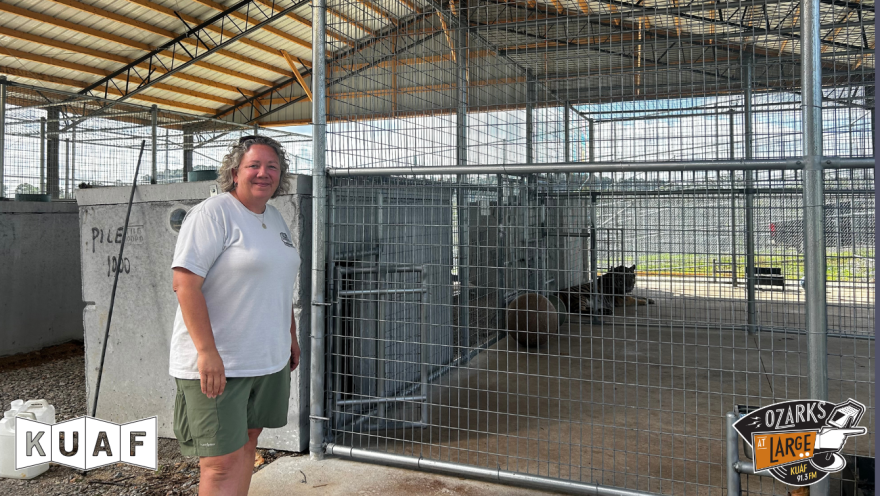


Turpentine Creek Wildlife Refuge is a nonprofit animal sanctuary located near Eureka Springs, Arkansas. It provides lifelong homes and rehabilitation for abandoned, abused, or neglected big cats and other exotic animals. The refuge is notable for its accredited, no-breeding, no-trading model and for promoting wildlife education and conservation.
Key facts
- Founded: 1992
- Location: Near Eureka Springs, Arkansas, USA
- Accreditation: Global Federation of Animal Sanctuaries (GFAS)
- Focus species: Tigers, lions, cougars, leopards, bears, and other exotics
- Visitor access: Open year-round with guided tours and educational programs
History and Mission
Turpentine Creek Wildlife Refuge was established by Don and Hilda Jackson and their family after rescuing their first lion in 1978, leading to the refuge’s formal founding in 1992. Its mission is to rescue and provide humane care for big cats and exotic animals formerly kept as pets or in exploitative facilities. The organization advocates against private ownership and breeding of wild animals for entertainment or profit.
Facilities and Animal Care
The 450-acre refuge includes expansive habitats designed for safety and enrichment. Animals live in naturalistic enclosures with platforms, pools, and vegetation. The on-site veterinary hospital and animal care staff provide medical treatment, balanced diets, and behavioral enrichment tailored to each species.
Education and Outreach
Turpentine Creek operates as both a public sanctuary and an educational center. It offers guided tours, internships, school programs, and outreach campaigns that raise awareness about the exotic pet trade and habitat destruction. The refuge also supports conservation messaging aligned with accredited zoos and wildlife organizations.
Visitor Experience
Guests can tour the habitats, observe animals from safe distances, and stay overnight in on-site lodgings overlooking the enclosures. The refuge’s tourism component funds animal care while fostering public understanding of ethical wildlife practices and the importance of protecting native ecosystems.

🐅 Carolina Tiger Rescue
- Accredited and conservation-focused
- Combines sanctuary care + education + advocacy
- Volunteer roles are structured and supervised
Carolina Tiger Rescue is a nonprofit wildlife sanctuary in Pittsboro, North Carolina, dedicated to rescuing and providing lifelong care for wild cats and other exotic species. It emphasizes education, advocacy, and ending the private ownership and commercial exploitation of big cats in the United States.

Key facts
- Founded: 1973 (as Carnivore Preservation Trust)
- Location: Pittsboro, North Carolina, USA
- Mission: Rescue and lifelong sanctuary for wild cats
- Accreditation: Global Federation of Animal Sanctuaries (GFAS)
- Notable species: Tigers, lions, servals, caracals, ocelots, and bobcats
Origins and evolution
Carolina Tiger Rescue began in 1973 as the Carnivore Preservation Trust, a research-oriented facility breeding endangered carnivores for potential reintroduction. Over time, it shifted its mission from propagation to sanctuary, recognizing the ethical and logistical challenges of captive breeding. It officially became Carolina Tiger Rescue in 2009 to reflect its conservation and welfare focus.
Sanctuary operations
The organization houses around 50–60 animals across multiple species in spacious enclosures designed to mimic natural habitats. It provides individualized diets, veterinary care, and enrichment to promote natural behaviors. Animals come primarily from private owners, closed facilities, or situations of neglect or abuse.
Education and advocacy
Carolina Tiger Rescue offers guided public tours, school programs, and online resources to raise awareness about wildlife trafficking, exotic pet ownership, and habitat loss. It promotes legislation to restrict private possession of big cats and supports global conservation initiatives protecting species in the wild.
Conservation significance
As one of North Carolina’s leading animal sanctuaries, the organization plays a regional role in wildlife education and responsible animal care standards. Its advocacy and transparent, non-breeding, non-contact model set a precedent for ethical sanctuary practices across the United States.
🐆 Exotic Feline Rescue Center
- Large rescue facility for abused/abandoned exotic cats
- On-site veterinary care, no breeding or trading

The Exotic Feline Rescue Center (EFRC) is a nonprofit wildlife sanctuary located in Center Point, Indiana, dedicated to the care and protection of big cats that have been abused, neglected, or abandoned. Established in 1991, it provides lifelong homes to hundreds of exotic felines while promoting conservation awareness and humane treatment of wildlife.
Key facts
- Founded: 1991
- Location: Center Point, Indiana, USA
- Species cared for: Tigers, lions, leopards, bobcats, and other exotic cats
- Approximate residents: Over 100 big cats
- Public access: Guided educational tours year-round
Mission and Operations
EFRC’s mission is to rescue and provide permanent sanctuary for exotic felines that cannot return to the wild. The facility operates on donations, grants, and visitor support. It prioritizes large, naturalistic enclosures and specialized diets that mirror each species’ nutritional needs. The organization does not breed or sell animals, ensuring its focus remains on welfare and rehabilitation.
Rescue and Care
The center takes in animals from private owners, zoos, and circuses, often following confiscations or closures. Each feline receives veterinary evaluation, behavioral enrichment, and long-term care. Staff and volunteers maintain individualized care plans that emphasize both physical and psychological well-being, supporting the animals’ recovery from trauma and neglect.
Education and Outreach
Public tours, school programs, and media outreach highlight the consequences of private exotic animal ownership and the importance of conservation ethics. Visitors learn about the biology and challenges facing big cats in captivity and in the wild, fostering respect and informed advocacy for their protection.
Recognition and Impact
The Exotic Feline Rescue Center is one of the largest big cat sanctuaries in the United States. Its ethical standards and consistent outreach have made it a model for humane exotic animal rescue, attracting national attention and sustained community involvement in wildlife conservation.
🐅 Tiger Haven

- Not open as a tourist attraction (a good sign)
- ~250 rescued big cats
- Explicitly no buying/selling/breeding animals
Tiger Haven is a non-profit sanctuary in Tennessee dedicated to the lifelong care of big cats and other rescued felines. It provides a permanent home for tigers, lions, leopards, cougars, and other exotic cats that cannot return to the wild. The organization is recognized for its role in animal welfare and conservation advocacy.
Key facts
- Founded: 1991
- Location: Kingston, Tennessee, USA
- Animals cared for: Over 250 big and small cats
- Legal status: 501(c)(3) non-profit organization
- Mission: Rescue, rehabilitation, and lifelong sanctuary for abused or displaced cats
Background and Mission
Tiger Haven was founded to address the growing crisis of exotic cats bred in captivity and later abandoned or abused. Its mission centers on providing a safe, no-kill refuge where animals can live out their lives with proper nutrition, medical care, and enrichment. The sanctuary does not breed, sell, or exhibit animals to the public, emphasizing humane care over entertainment.
Facilities and Care


5
Located on hundreds of acres in rural Tennessee, the facility features spacious enclosures designed for both safety and comfort. Each animal has access to natural terrain, climbing structures, and shelter. Veterinary staff and volunteers oversee individualized care plans, ensuring animals receive medical treatment, enrichment activities, and proper diets tailored to their species and health needs.
Public Engagement and Impact
Although Tiger Haven is not open for general tourism, it conducts outreach and education to raise awareness about wildlife trafficking, private ownership issues, and conservation ethics. It relies primarily on donations and sponsorships to sustain operations. The organization is often cited as one of the largest privately run big cat sanctuaries in the United States, playing a key role in advocacy for stronger wildlife protection laws.